The Future of Travel Isn’t Technology. It’s Us
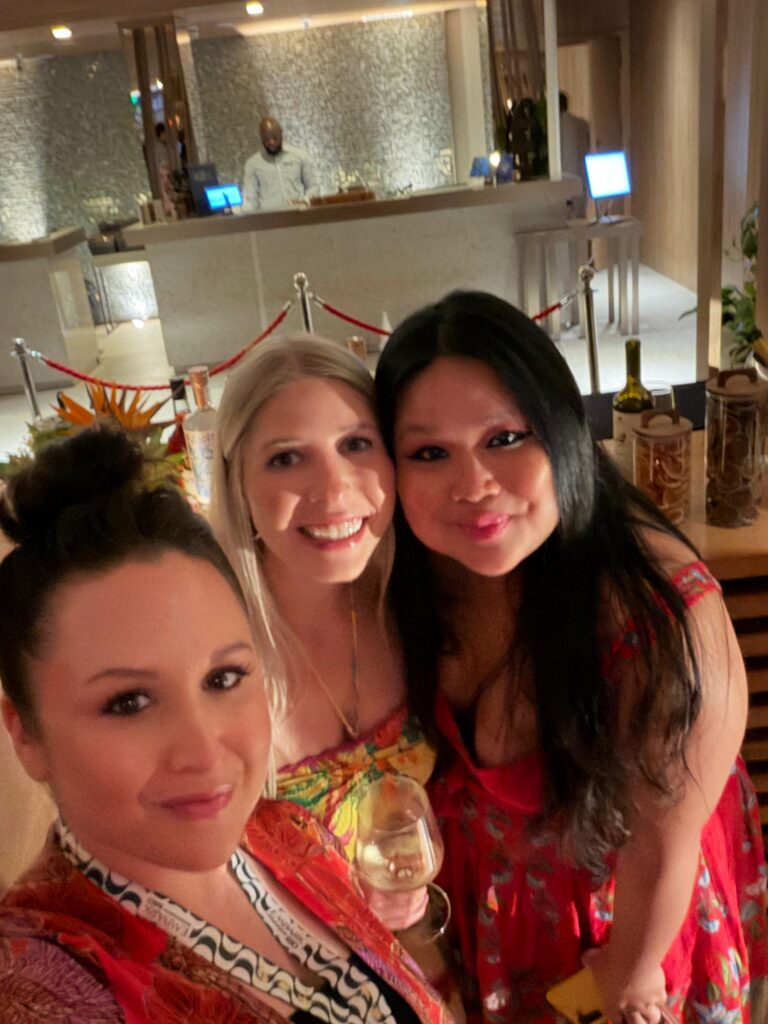
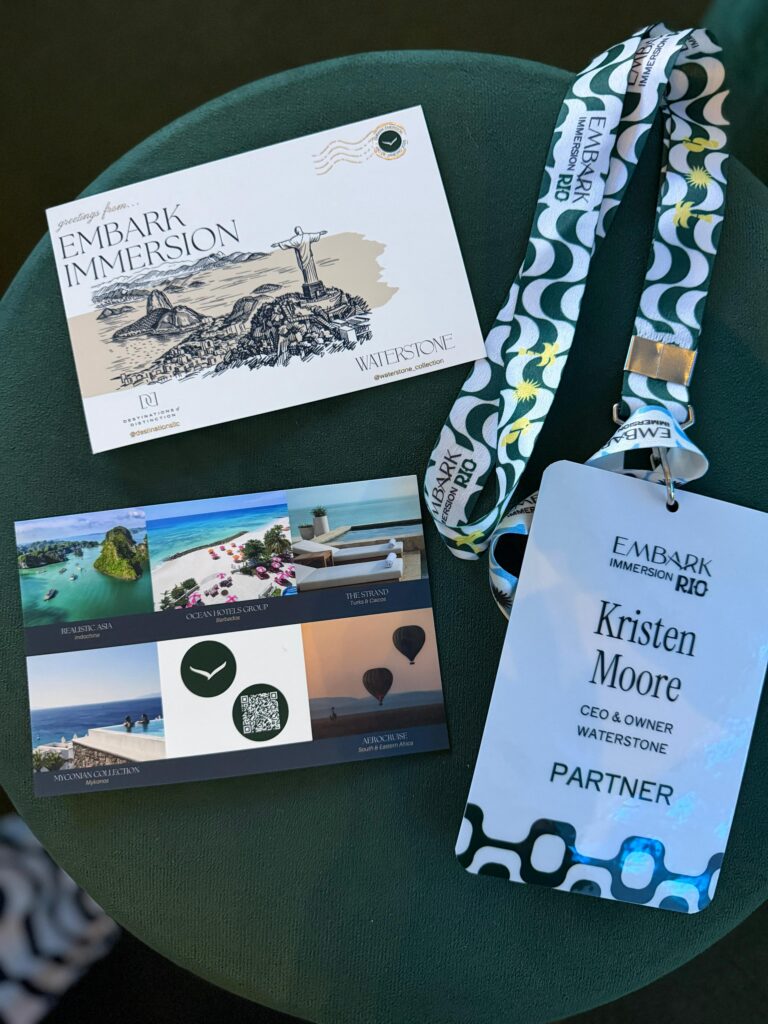
Reflections from Embark Immersion 2026, Rio de Janeiro
There was a moment on day one in Rio that stopped me. Not because of a trend, a statistic, or even a prediction about where our industry is going, but because of something far more human.
We are more connected than ever, and yet we’ve never felt more disconnected. That tension between access and absence, between speed and substance, sat at the center of nearly every conversation we had during the opening sessions at Embark Immersion. We talked about AI, evolving traveler expectations, and relevance, but what we were really talking about was people.
We’ve Been Here Before
If you’ve been in this industry long enough, you start to recognize the pattern. Every era brings a moment where we collectively ask, “Is this the thing that changes everything?”
In the 90s, it was the rise of the internet. Online booking engines, OTAs, and the idea that travel could be reduced to a transaction created real fear that the role of the travel advisor would disappear. And yes, some were left behind, but not because the industry ended. It was because it evolved. The advisors who leaned in, adapted, and redefined their value didn’t just survive. They became more essential.
Then came 9/11, and suddenly travel wasn’t about convenience, it was about trust. Then came COVID, and overnight travel advisors became lifelines. Clients weren’t Googling their way through border closures and ever-changing protocols. They were calling the people who knew, the people they trusted, and the people who could navigate uncertainty in real time.
And now, here we are again. Another shift, another moment of questioning, another wave of wondering what happens next.
Technology Isn’t the Threat. Disconnection Is.
AI is not the first technological shift we’ve faced, and it won’t be the last. Like every tool before it, it will change how we work, create efficiencies, and raise expectations. But it will not replace what makes this industry matter.
What travelers are seeking right now isn’t just efficiency. It’s meaning, belonging, and connection. There is a quiet loneliness that has taken hold. Between social media, constant connectivity, and the aftershocks of a global pandemic, people are surrounded by information but starving for something real.
At its best, travel answers that. Not just by moving people from one place to another, but by reconnecting them to the world, to others, and to themselves.
The Role We Actually Play
One of the most impactful moments for me came during a focus group on day one. I asked a simple question: What are we not doing that we should be doing for you?
The answers weren’t about more emails, faster turnaround times, or better systems. They were about presence.
“You’re more than someone behind the scenes.”
“You’re a problem solver.”
“A therapist.”
“A matchmaker.”
“An encyclopedia.”
That’s the work. That’s the value. And that’s the part no system, platform, or algorithm can replicate, because it’s not built on data alone. It’s built on understanding.
We Are the Architects
It’s easy, in moments like this, to feel like things are happening to us, that technology is dictating the future and that change is something we have to react to. But that’s not the truth.
We are the architects. We are the navigators. We are the ones designing the experience. Technology may help us draw the map, but we are still the ones guiding the journey. And if we embrace that, if we use these tools without losing ourselves in them, we don’t become less relevant. We become indispensable.
Why This Moment Matters
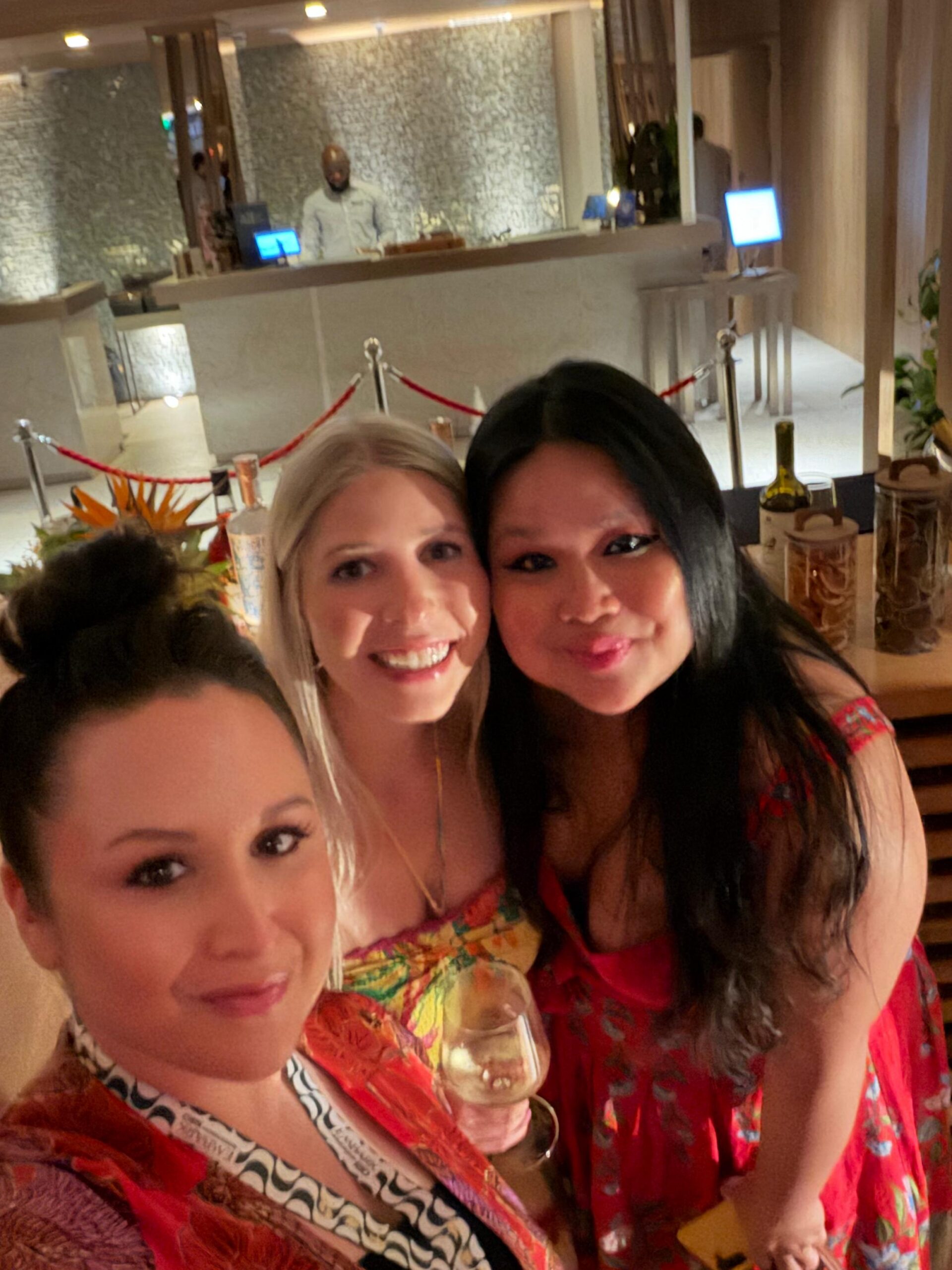
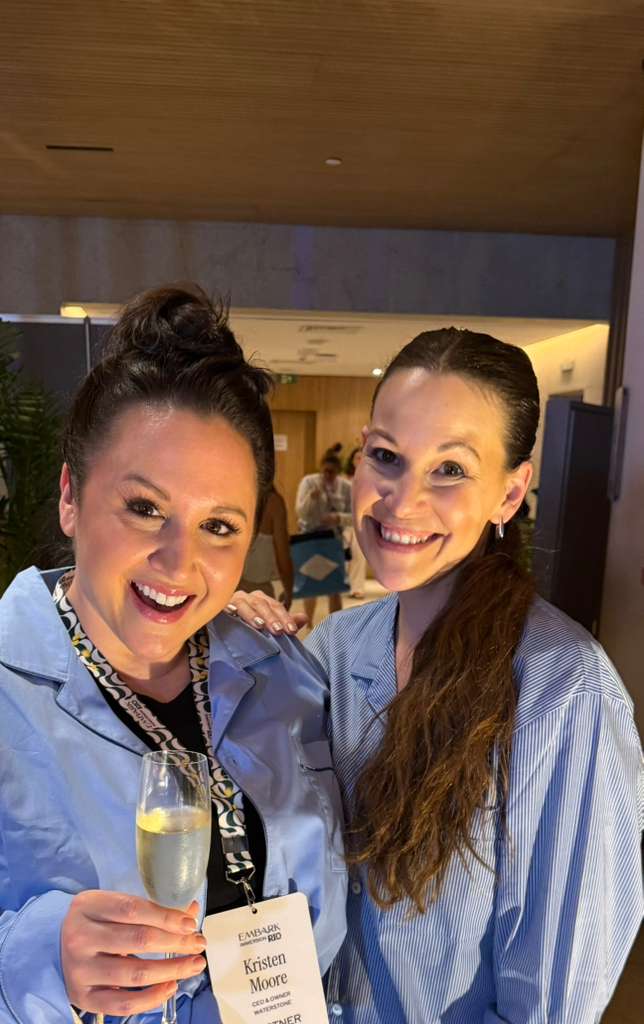
What I felt in Rio wasn’t uncertainty. It was energy. The kind of energy that only happens when people come together, face to face, conversation to conversation, idea to idea.
It was in the hugs, the late-night conversations, and the shared understanding that what we do matters. Because at the end of the day, people don’t do business with platforms. They do business with people they trust, people they like, and people who understand them.
And that hasn’t changed. Not in the 90s, not after 9/11, not during COVID, and not now.
The Future Is Human
The future of travel isn’t about replacing what we do. It’s about refining it, sharpening it, and elevating it. It’s about recommitting to the part of this industry that has always mattered most: human connection.
Because in a world that is becoming increasingly automated, being human is no longer the baseline. It’s the differentiator.
And maybe that’s the real shift. Not what’s changing around us, but what we choose to hold onto as everything else evolves.
Trends
Travel
Lifestyle
Food
We proudly represent travel destinations by land, sea and air. by providing unique and creative sales and marketing strategies to help them increase their presence and revenues. Most of all, we're a dynamic team with a passion for storytelling & strategic marketing in the hospitality space
about us
featured article
The Future of Travel Isn’t Technology. It’s Us Reflections from Embark Immersion 2026, Rio de Janeiro There was a moment on day one in Rio that stopped me. Not because of a trend, a statistic, or even a prediction about where our industry is going, but because of something far more human. We are more […]
The Future of Travel Isn’t Technology. It’s Us